European Seabass Exports in 2024
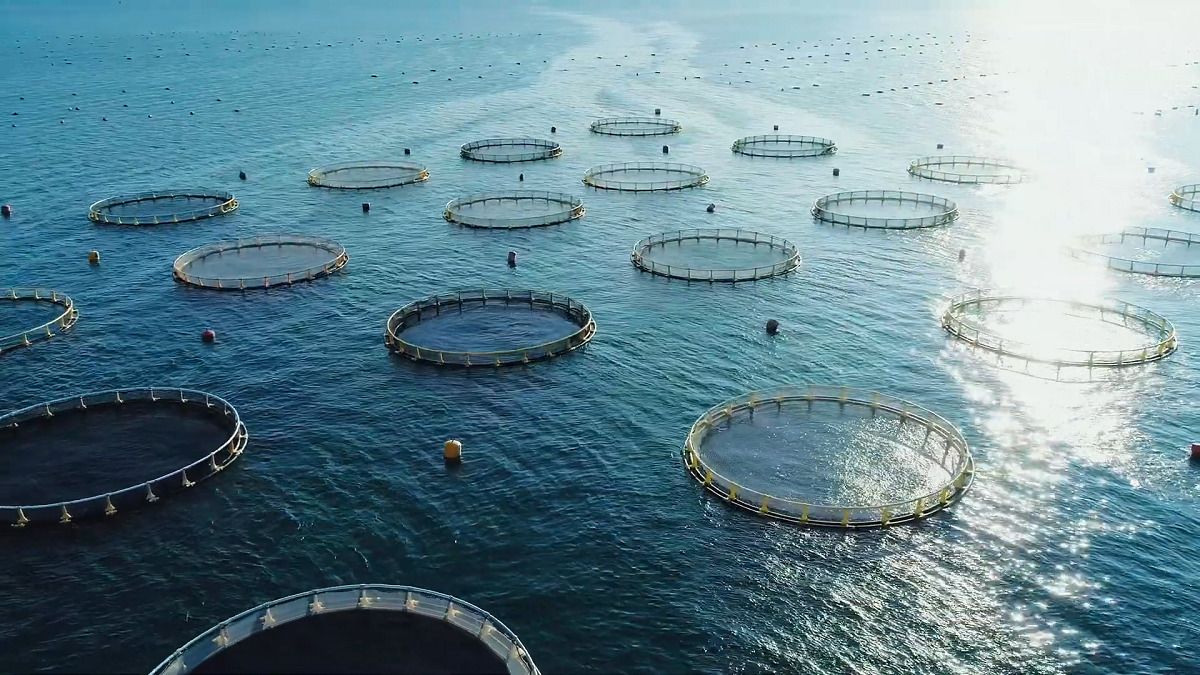
European Seabass Exports in 2024: A Year of Shifts and Resilience
In 2024, the European seabass (Dicentrarchus labrax) export market experienced notable shifts, with Turkey and Greece—the two largest producers—navigating contrasting trends amid currency fluctuations and evolving market dynamics.
Turkey: Leading with Volume Growth
Turkey solidified its position as the top seabass exporter, increasing its export volume by 24% and value by 12% during the first nine months of 2024. This growth was driven by competitive pricing, aided by the depreciation of the Turkish lira against the euro and dollar, enhancing the appeal of Turkish seafood in European markets. However, this currency advantage also led to reduced earnings in hard currencies. Italy and Greece remained Turkey's primary export destinations, with Greece notably recording a significant increase in trade value.
Greece: Mixed Performance Amid Challenges
Greece, the second-largest producer, faced a mixed performance. Seabass exports declined by 13%, while seabream exports rose by 18% in volume and 17% in value. The decline in seabass exports may be attributed to increased competition and market saturation.
Market Outlook: Stability with Growth Opportunities
Looking ahead to 2025, analysts anticipate continued positive growth in the European seabass and seabream market, driven by steady demand and an increasing focus on sustainability and value-added products. However, challenges remain, particularly rising production costs and currency fluctuations. Growing interest in sustainability certifications and market diversification, particularly through increasing imports to Asia, presents fresh opportunities for the sector. Investment in innovation and efficiency will be crucial to maintaining competitiveness and ensuring a steady supply for international markets.
In summary, 2024 was a year of adaptation for the seabass export sector, marked by Turkey's volume-driven growth and Greece's strategic adjustments. As the industry moves forward, embracing sustainability and innovation will be key to navigating future challenges and capitalizing on emerging opportunities.